
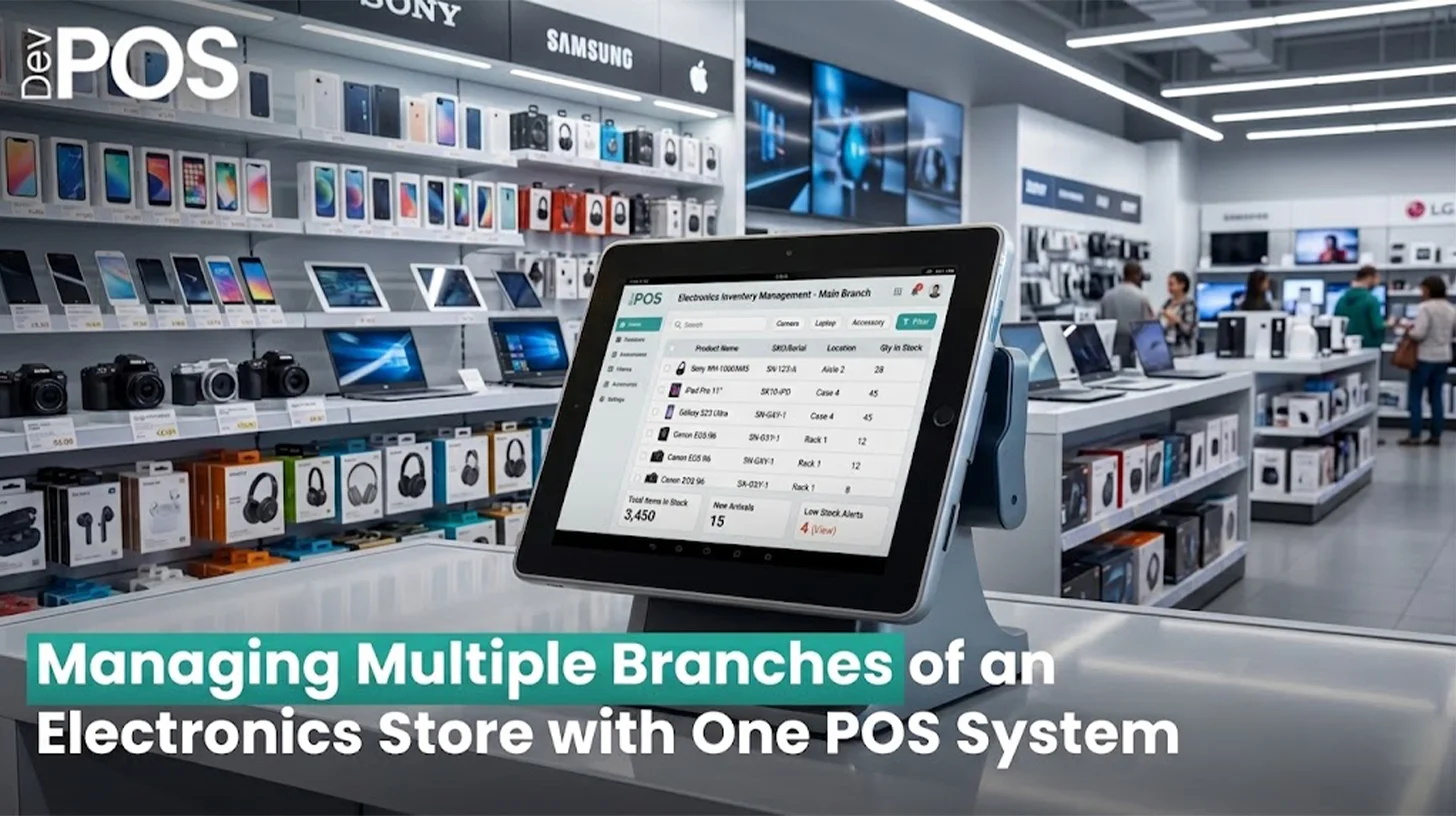
In today’s fast-paced retail environment, electronics store owners face the growing challenge of managing multiple branches while ensuring seamless operations, consistent customer experiences, and efficient inventory management. Relying on manual processes or fragmented systems often leads to errors, stock shortages, and delayed reporting, which can affect revenue and brand reputation. This is where a centralized POS platform becomes indispensable. By implementing an Electronics Store POS System, retailers can unify their operations, monitor sales and inventory in real time, and make data-driven decisions across all locations. Beyond basic transaction tracking, a modern POS system offers advanced reporting, customer relationship management, and analytics tools that help owners anticipate demand, reduce waste, and improve profitability. For electronics stores looking to scale efficiently, leveraging one robust POS system transforms operational complexity into a competitive advantage, ensuring growth and operational harmony across every branch.
Understanding the Challenges of Multi-Branch Operations
Operating multiple electronics store branches introduces unique complexities that can hinder growth if not properly managed. Each location may have its own sales patterns, inventory levels, and customer preferences, creating operational silos that complicate decision-making. Common challenges include:
- Inventory Management: Varying stock levels across branches often result in overstocking or shortages, especially during peak seasons or promotions.
- Sales Monitoring: Manually tracking daily transactions across multiple locations is time-consuming and error-prone.
- Customer Data Consistency: Without a unified system, customers may receive inconsistent service, or repeat purchases may not be tracked effectively.
- Staff Coordination: Ensuring consistent procedures and policies across branches is challenging, particularly with varying employee experience levels.
An integrated POS system addresses these issues by providing a single source of truth for data, allowing store owners to monitor every aspect of their business in real time and ensure operational consistency across all branches.
Key Features of a Unified POS Platform
A modern POS system does more than record sales; it empowers electronics store managers to make informed decisions and improve operational efficiency. Essential functionalities include:
- Centralized Inventory Management: Automatically sync stock levels across all locations and receive alerts when stock runs low.
- Comprehensive Reporting: Generate detailed sales, revenue, and profit reports for each branch, helping identify trends and opportunities.
- Customer Relationship Management (CRM): Consolidate customer data, track purchase histories, and run targeted marketing campaigns.
- Multi-Location Employee Tracking: Monitor performance, sales contributions, and attendance across branches to optimize staffing and productivity.
- Secure Payment Processing: Handle multiple payment methods, protect sensitive data, and reduce the risk of transaction errors or fraud.
For electronics retailers, these features streamline operations, save time, and enhance customer satisfaction by creating uniform processes across all branches.
Streamlining Inventory Across Branches
Inventory inconsistencies are one of the biggest bottlenecks for multi-location electronics stores. A unified POS system offers:
- Real-time visibility of stock levels at all branches
- Automatic transfer suggestions based on demand and sales patterns
- Alerts to prevent overstocking or stockouts
For example, if a high-demand smartphone model is delivered to the main branch, the system can automatically recommend transfers to other locations with lower inventory. This proactive approach ensures all branches have optimal stock while reducing the risk of lost sales and excess inventory. By using historical sales data, managers can also forecast demand more accurately and plan promotions effectively.
Enhancing Customer Experience
A centralized POS system allows electronics retailers to provide a consistent and personalized customer experience, regardless of the branch visited. Effective strategies include:
- Personalized Offers: Leverage customer purchase history to create tailored discounts and promotions.
- Unified Loyalty Programs: Enable points and rewards to be redeemable at any branch, encouraging repeat visits and increasing brand loyalty.
- Faster Checkout: Streamlined POS processes reduce queue times and enhance the overall shopping experience.
- Cross-Branch Customer Insights: Analyze patterns to offer relevant accessories, extended warranties, or complementary products.
By consistently delivering a high-quality shopping experience, electronics stores can improve customer retention and strengthen brand reputation across regions.
Improving Financial Accuracy and Compliance
Accurate financial tracking is critical for multi-branch electronics retailers. Modern POS systems enable:
- Centralized accounting and automated reconciliation of transactions
- Integrated tax calculations to meet regulatory compliance
- Easy generation of invoices and receipts
Integration with government verification systems such as fbr pos invoice verification ensures transactions comply with legal requirements. Centralized reporting also simplifies audit processes, reducing administrative burden and minimizing errors. This level of accuracy not only protects businesses from penalties but also supports informed decision-making for pricing, budgeting, and expansion planning.
Leveraging Analytics for Business Growth
The analytics capabilities of a multi-branch POS system are invaluable for strategic growth. By aggregating sales, inventory, and customer data, store owners can:
- Identify top-performing products and branches
- Forecast demand and optimize procurement
- Monitor seasonal trends to adjust marketing strategies and promotions
For instance, analytics may reveal that gaming consoles sell more in urban branches, whereas audio accessories are in higher demand in suburban locations. These insights allow managers to adjust stock allocation, plan targeted promotions, and optimize staffing, ultimately boosting revenue and operational efficiency.
Selecting the Right POS System
Choosing the right POS system requires careful evaluation to meet the unique needs of multi-branch electronics retailers:
- Ease of Use: Staff should be able to operate the system with minimal training.
- Integration Capabilities: Compatibility with accounting software, e-commerce platforms, and payment gateways is essential.
- Support and Maintenance: A reliable vendor ensures timely updates, troubleshooting, and ongoing system support.
- Scalability: The system should accommodate business growth, including additional branches and higher transaction volumes.
Many modern POS solutions also support a pos application for mobile devices, giving managers remote access to sales data and inventory updates, enabling faster and more informed decisions.
Practical Implementation Tips
To maximize the effectiveness of a single POS system across multiple branches, retailers should:
- Roll Out in Phases: Start with one or two branches to ensure smooth adoption before scaling.
- Train Employees Thoroughly: Conduct hands-on workshops and simulations for all staff members.
- Perform Regular Audits: Periodic checks ensure data consistency and operational accuracy.
- Integrate Online and Offline Channels: Synchronize in-store and online inventory to prevent stock conflicts.
- Maintain Feedback Loops: Collect insights from staff and customers to refine system usage and operational processes.
Following these steps ensures that the POS system delivers its full potential and supports sustainable growth.
Real-World Example: Multi-Branch Electronics Retailers
A multi-branch electronics chain in Pakistan, with outlets in Karachi, Lahore, and Islamabad, faced challenges managing independent stock and sales processes. Before implementing a centralized POS, discrepancies in inventory and delayed sales reporting were common.
After deploying an Electronics Store POS System, the chain experienced:
- 60% reduction in inventory discrepancies
- Monthly reporting time cut from 5 days to under 24 hours
- Improved customer experience through unified loyalty rewards
This example highlights how a centralized POS system can transform operational efficiency, financial accuracy, and customer satisfaction across multiple locations.
Integration with Hardware and Local Solutions
Electronics retailers often rely on pos machine in Pakistan for secure and seamless payment processing. Modern POS systems integrate effortlessly with various hardware, such as barcode scanners, receipt printers, and card readers. This integration ensures smooth day-to-day operations, reduces transaction errors, and enhances customer trust, particularly during peak shopping periods.
Conclusion
Managing multiple branches of an electronics store is inherently complex, but a centralized system can turn this challenge into a strategic advantage. An Electronics Store POS System simplifies operations, enhances financial accuracy, streamlines inventory management, and elevates the customer experience across all locations. From analytics-driven insights to secure payment processing and employee performance tracking, a single POS system enables retailers to make data-driven decisions while maintaining consistent operations. By implementing a well-integrated system, electronics store owners can scale efficiently, reduce operational inefficiencies, and focus on growth opportunities. Ultimately, a robust POS platform is more than just a technological tool; it is an essential asset for multi-branch retail success, enabling owners to manage complexity with confidence and ensure their stores remain competitive in an increasingly dynamic market.
FAQs
1. How can store managers monitor performance across branches?
Managers can review reports generated by centralized systems, including sales, inventory, and staff performance, to make informed decisions.
2. What’s the best approach for training employees on new systems?
Phased training sessions with practical exercises help employees adapt quickly while minimizing disruption to daily operations.
3. How can data help improve customer satisfaction?
Analyzing purchase trends allows for personalized promotions, loyalty rewards, and more relevant product offerings.
4. What are common pitfalls when managing multiple outlets?
Inconsistent processes, mismanaged inventory, and lack of communication between branches often lead to inefficiencies.
5. How do centralized systems support business scalability?
They allow seamless integration of additional locations, ensuring uniformity, accurate reporting, and operational control as the business grows.