Running a small business today involves juggling multiple responsibilities—from managing inventory and tracking sales to maintaining customer relationships and ensuring smooth daily operations. For many small business owners, these tasks can be overwhelming, especially when relying on manual processes or outdated methods. Retail shop software provides an effective solution to streamline these operations, reduce errors, and improve overall efficiency. By automating key processes, business owners can save valuable time, gain insights into customer behaviour, and make data-driven decisions. This software not only supports day-to-day operations but also helps small businesses scale their operations strategically, manage finances more effectively, and compete with larger players in the market. In today’s fast-paced retail environment, integrating a pos system has become more of a necessity than an option for small businesses seeking sustainable growth and long-term profitability.
What Is Retail Shop Software?
Retail shop software is a comprehensive digital tool designed to help small businesses manage their day-to-day operations efficiently. It typically includes features like inventory management, sales tracking, customer relationship management, and reporting capabilities. Unlike manual methods that are time-consuming and prone to errors, this software automates routine tasks, allowing business owners and staff to focus on strategic activities such as marketing, product development, and customer engagement.
Modern retail platforms often come with cloud-based capabilities, which means owners can access real-time data from anywhere, whether they are in the store or traveling. This real-time access ensures that decisions regarding stock levels, pricing strategies, and customer engagement can be made quickly and accurately. By integrating multiple operational functions into one platform, retail shop software reduces complexity, improves accuracy, and provides a centralized system that supports overall business efficiency and growth.
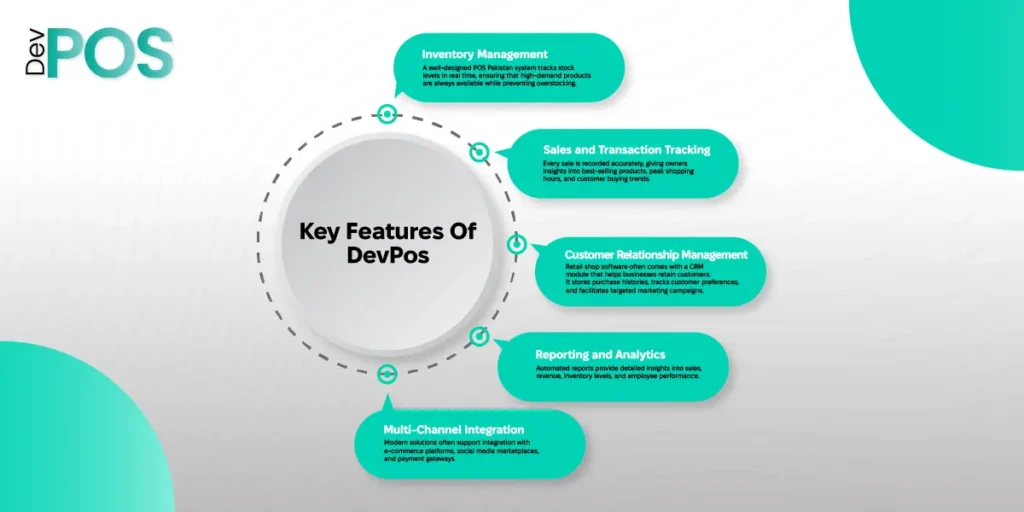
Key Features of Retail Shop Software
Investing in retail shop software gives small business owners access to a variety of features designed to simplify operations. Some of the most valuable include:
1. Inventory Management
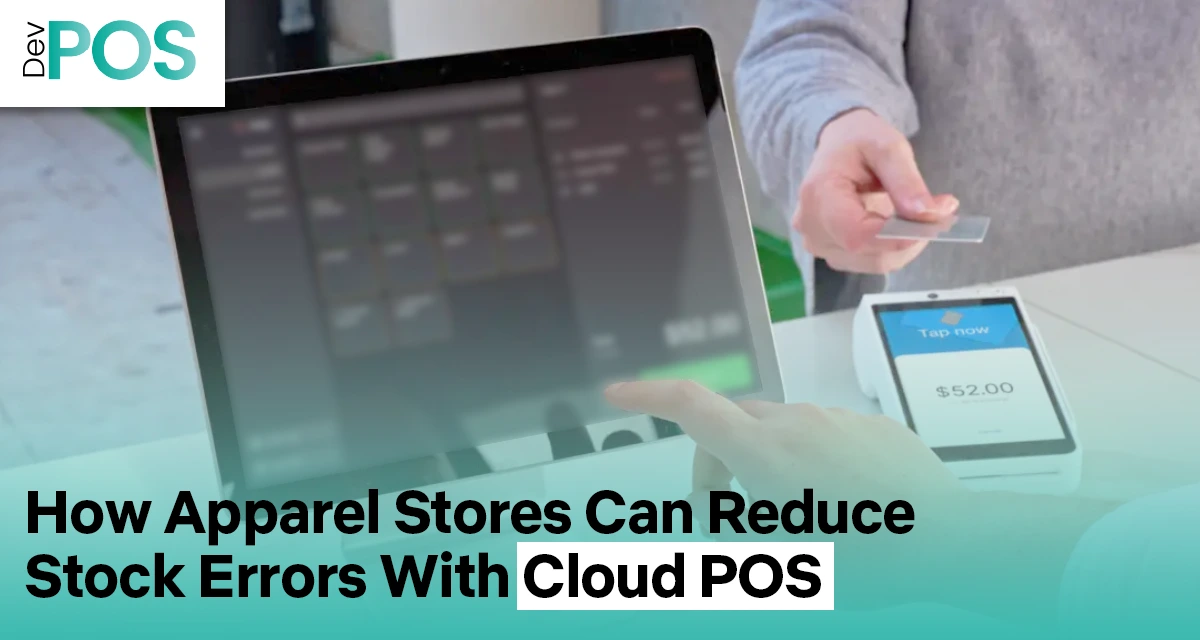
A well-designed POS Pakistan system tracks stock levels in real time, ensuring that high-demand products are always available while preventing overstocking. Notifications for low stock, automatic reorder suggestions, and detailed stock reports help reduce wastage, save storage costs, and optimize supply chain management.
2. Sales and Transaction Tracking
Every sale is recorded accurately, giving owners insights into best-selling products, peak shopping hours, and customer buying trends. This allows businesses to plan promotions and stock replenishments more effectively, ensuring that demand is consistently met without unnecessary excess inventory.
3. Customer Relationship Management (CRM)
Retail shop software often comes with a CRM module that helps businesses retain customers. It stores purchase histories, tracks customer preferences, and facilitates targeted marketing campaigns. Small businesses can use this information to create personalized promotions, loyalty programs, and offers that increase customer satisfaction and repeat visits.
4. Reporting and Analytics
Automated reports provide detailed insights into sales, revenue, inventory levels, and employee performance. Analytics dashboards allow owners to visualize trends, forecast demand, and make informed decisions. Data-driven insights help identify opportunities for growth while highlighting areas needing improvement.
5. Multi-Channel Integration
Modern solutions often support integration with e-commerce platforms, social media marketplaces, and payment gateways. This ensures small businesses can expand their reach beyond physical stores and tap into the growing digital market, providing seamless shopping experiences for customers who prefer online purchasing.
Benefits of Using Retail Shop Software for Small Businesses
The adoption of retail shop software offers a wide range of benefits that directly impact the growth and efficiency of small businesses.
Improved Operational Efficiency
Manual processes are time-consuming and prone to errors. Automating tasks such as billing, inventory updates, and reporting reduces mistakes and saves valuable time. Employees can dedicate more effort to customer service and business development rather than repetitive administrative tasks.
Enhanced Customer Experience
Retail shop software provides instant access to product availability, previous purchase histories, and personalized recommendations. Faster billing, accurate stock information, and loyalty rewards programs all contribute to a better customer experience. Satisfied customers are more likely to return and recommend the store to others.
Cost Savings
Though implementing retail software may require an initial investment, the long-term benefits outweigh the costs. Automation reduces labor hours, minimizes inventory waste, and helps optimize stock purchases. Businesses can also avoid revenue loss from stockouts or errors in billing.
Real-Time Business Insights
Retail shop software offers a centralized view of the entire business. Real-time dashboards allow owners to monitor sales, inventory, and customer behavior simultaneously. Quick access to this data enables timely decisions on promotions, discounts, and restocking, which improves overall operational control.
Scalability
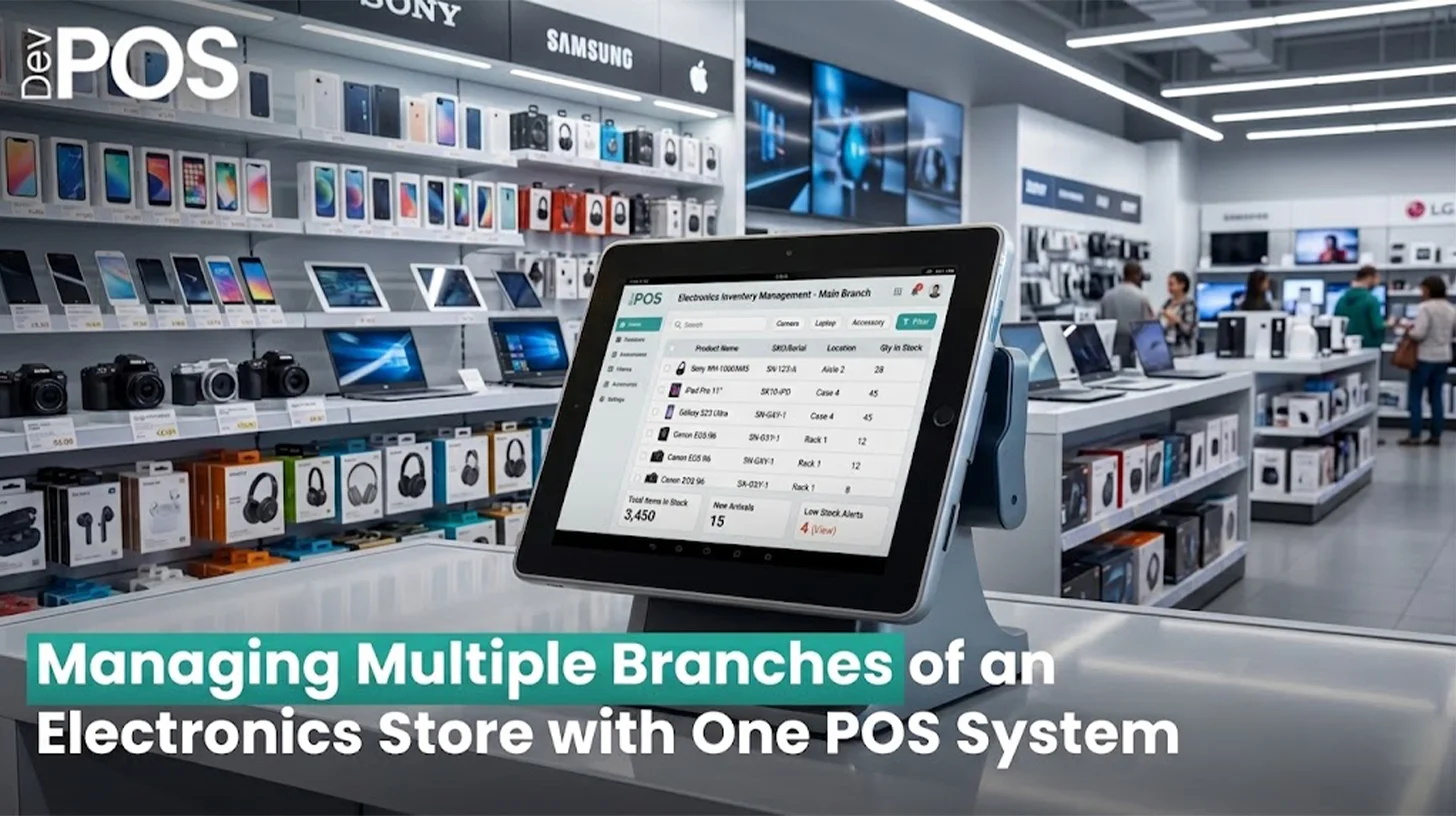
As small businesses expand, their operations become more complex. Retail shop software is designed to grow alongside the business, supporting additional product lines, multiple store locations, and online sales channels without disrupting existing workflows. This ensures that operational efficiency is maintained even during periods of growth.
How Retail Shop Software Helps in Decision Making
One of the most significant advantages of retail shop software is its ability to provide actionable insights for decision-making.
- Product Assortment: By analyzing sales trends, businesses can identify which products are in high demand and which are underperforming, allowing smarter inventory planning.
- Pricing Strategies: Historical sales data helps in determining optimal pricing for products and promotions, maximizing revenue and profit margins.
- Staff Management: Understanding peak hours and sales patterns allows for better staff allocation, ensuring smooth operations and improved customer service.
- Marketing Campaigns: Targeted promotions can be created based on purchase history and customer preferences, increasing engagement and conversion rates.
These insights empower small business owners to make strategic decisions backed by data rather than guesswork, ultimately driving growth and operational efficiency.
Considerations When Choosing Retail Shop Software
Choosing the right retail shop software is critical to ensure it meets the needs of your business.
1. Ease of Use
An intuitive, user-friendly interface ensures that employees can adopt the system quickly without extensive training, reducing downtime and increasing productivity.
2. Feature Set
Evaluate your business needs and ensure the software provides all necessary features, from inventory management to sales analytics and multi-channel integration.
3. Budget
While some options may have higher upfront costs, the return on investment can be significant through time savings, reduced errors, and improved sales performance. Choose software that balances affordability with essential functionality.
4. Customer Support
Reliable technical support is crucial to resolve issues promptly, minimizing disruptions in daily operations.
5. Integration Capabilities
The software should seamlessly integrate with other business tools, including accounting platforms, online stores, or point-of-sale devices, ensuring smooth workflow and data consistency.
Real-World Examples of Retail Shop Software Benefits
Small businesses globally have realized tangible benefits from implementing retail shop software. For example, a boutique clothing store in Lahore managed to reduce inventory waste by 30% within six months. Real-time tracking allowed them to stock high-demand items efficiently while minimizing excess inventory.
Similarly, a local grocery store leveraged automated billing and customer tracking to improve shopping experiences. Personalized promotions based on purchase history increased customer loyalty and repeat visits. Faster checkout processes reduced queues, contributing to higher customer satisfaction.
These examples demonstrate how small businesses, despite limited resources, can achieve significant operational improvements and customer engagement through the strategic use of retail shop software.
The Future of Retail Technology for Small Businesses
The future of retail technology promises even greater advantages. Artificial intelligence and machine learning are increasingly being integrated into these platforms, enabling features like demand forecasting, dynamic pricing, and personalized recommendations.
Cloud-based solutions and mobile applications allow business owners to monitor and manage operations from anywhere, ensuring uninterrupted control over sales, inventory, and customer data. With e-commerce growth continuing to rise, integrating physical and digital operations has become essential. By adopting advanced retail solutions early, small businesses can remain competitive, improve operational efficiency, and provide superior shopping experiences to their customers.
Key Takeaways
Retail shop software is a critical tool for small businesses aiming for growth, efficiency, and customer satisfaction. Its benefits include automation of daily operations, enhanced customer experience, cost savings, real-time insights, and scalability.
Selecting the right platform requires careful consideration of usability, features, integration options, and support. By adopting technology thoughtfully, small businesses can not only survive in competitive markets but also thrive, achieving long-term sustainability and profitability. Embracing digital solutions allows owners to focus on innovation, customer engagement, and strategic growth while maintaining operational excellence.
FAQ
1. How can small businesses simplify inventory tracking?
Digital solutions can automatically log stock levels and notify managers when items are low or surplus, reducing manual work and errors.
2. What are the advantages of automating sales processes?
Automation ensures faster checkouts, accurate billing, and comprehensive transaction records, freeing time for business strategy and growth.
3. How does technology improve customer retention?
Collecting and analyzing purchase history enables personalized offers and promotions, keeping customers engaged and increasing loyalty.
4. Can digital tools support multiple store locations?
Yes, centralized platforms allow owners to monitor inventory and sales across multiple outlets in real time, ensuring consistent management.
5. What role does reporting play in small business management?
Automated analytics provide insights into sales trends, operational efficiency, and customer behavior, helping owners make informed, strategic decisions.