
Running a restaurant is no easy task. From taking orders efficiently to ensuring smooth payments and managing inventory, every process requires careful coordination. This is where restaurant POS systems come into play. These systems streamline daily operations, improve staff efficiency, and enhance customer satisfaction. In today’s competitive foodservice industry, adopting the right technology is essential for maintaining a competitive edge. Whether you run a small café or a full-scale multi-branch restaurant, a modern restaurant POS can transform the way you manage your business.
By automating routine tasks, reducing human error, and providing real-time insights, restaurant owners can focus more on delivering a memorable dining experience. With the rise of digital payments, online ordering, and delivery services, having an integrated system that handles orders, payments, and analytics is no longer a luxury – it’s a necessity.
What Is a Restaurant POS System?
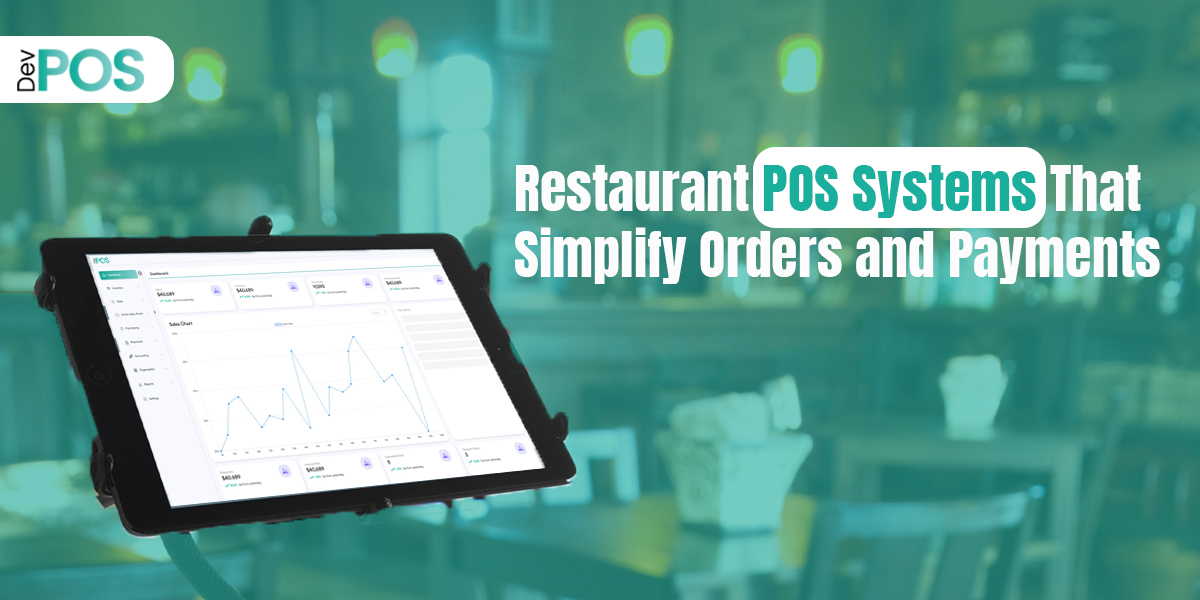
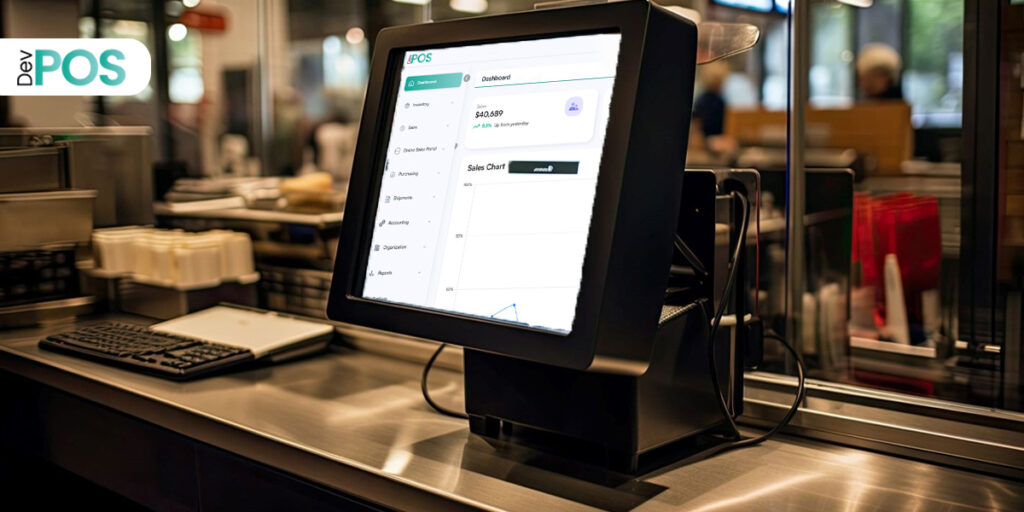
A restaurant POS system, short for Point of Sale system, is a combination of hardware and software that manages sales transactions in a restaurant. Unlike traditional cash registers, modern systems are more advanced and offer multiple functionalities. They can handle dine-in orders, track inventory, generate sales reports, and even integrate with online food delivery platforms.
These systems not only simplify the ordering process but also improve overall efficiency. Staff can quickly input orders using touch screens, and the kitchen receives them instantly, minimizing mistakes and delays. Moreover, integrated payment options allow customers to pay through cash, cards, or digital wallets seamlessly.
Benefits of Using a Restaurant POS
Investing in a restaurant POS brings numerous advantages:
- Faster Order Processing: Orders are routed to the kitchen automatically, which guarantees accuracy and cuts down on wait times.
- Inventory Management: Real-time tracking of stock ensures that you never run out of key ingredients.
- Enhanced Customer Experience: Quick service and multiple payment options lead to higher satisfaction.
- Detailed Reports and Analytics: Owners can track sales trends, peak hours, and menu performance.
- Integration with Other Services: From loyalty programs to online delivery, POS systems offer seamless integration.
For restaurants operating in regions like Pakistan, specialized solutions like restaurant pos software Pakistan are available. These are tailored to local market needs, supporting regional payment gateways, local tax regulations, and multi-language interfaces.
Key Features to Look For
When selecting a restaurant POS, consider the following features:
- Ease of Use: Intuitive interfaces allow staff to quickly learn and operate the system.
- Customization: Menu items, modifiers, and discounts should be easy to configure.
- Reporting Tools: Sales, inventory, and employee performance reports should be accessible anytime.
- Integration Capabilities: Sync with accounting software, online ordering platforms, and loyalty programs.
- Payment Flexibility: Accept multiple payment methods, including contactless and mobile payments.
Modern pos systems are designed not just for efficiency but also for scalability. Whether you’re expanding to multiple outlets or managing a single location, the system should grow with your business.
How POS Systems Improve Restaurant Operations
A restaurant POS system simplifies operations in several ways:
- Order Accuracy: Reduces miscommunication between wait staff and kitchen.
- Staff Efficiency: Automates repetitive tasks like billing, reporting, and inventory tracking.
- Customer Satisfaction: Faster service leads to happier customers.
- Data-Driven Decisions: Analyze customer preferences and sales patterns to optimize the menu.
In today’s market, having an advanced pos software Pakistan solution is becoming the standard. These systems help restaurant owners stay competitive by offering insights, automation, and control over every aspect of the business.
Hardware vs. Software: What You Need
A restaurant POS system usually consists of two main components: hardware and software.
- Hardware: This includes touch screens, receipt printers, cash drawers, barcode scanners, and tablets for tableside ordering. Hardware reliability is essential for smooth day-to-day operations.
- Software: The backend system that processes orders, manages inventory, tracks sales, and integrates with other platforms. Advanced software ensures data accuracy, multi-location management, and remote monitoring.
Choosing the right combination depends on the size and type of your restaurant. For example, a small café may only need a tablet-based solution, while a large chain may require a full-fledged system with multiple devices.
POS System Deployment: Cloud vs. On-Premise
When deciding on a restaurant POS, you’ll encounter two deployment options:
- Cloud-Based POS: Offers remote access, automatic updates, and minimal upfront cost. Ideal for modern restaurants seeking flexibility.
- On-Premise POS: Installed locally on your servers, offering more control but higher maintenance requirements.
Cloud-based systems are particularly popular for integrating online ordering and delivery services. Many restaurants in Pakistan now prefer pos software Pakistan that is cloud-enabled, ensuring seamless operations across multiple outlets.
Choosing the Right POS Provider
Selecting a provider is critical. Consider the following:
- Local Support: Ensure the provider offers reliable support in your region.
- Customization Options: Tailor the system to your restaurant’s unique needs.
- Security: Look for encrypted payment processing and secure cloud storage.
- Pricing Structure: Understand subscription fees, transaction charges, and hidden costs.
Point of Sale Systems are a significant investment, so choosing a vendor who understands your market and offers reliable service is essential for long-term success.
Integrating POS With Modern Restaurant Needs
Today’s restaurant POS systems go beyond billing. They integrate with digital ordering apps, kitchen display systems, and customer loyalty programs. This integration allows restaurants to:
- Accept online and in-store orders simultaneously.
- Track loyalty points and reward repeat customers.
- Manage delivery operations efficiently.
- Generate actionable insights to optimize menu and staffing.
Restaurants adopting such comprehensive solutions notice improved efficiency, lower operational costs, and better customer engagement.
When Is It Time to Update Your Existing Setup?
Many restaurant owners continue using outdated systems simply because they are familiar. However, sticking with an inefficient setup can quietly slow down operations and reduce profits. Knowing when to upgrade is critical for long-term growth.
One clear sign is frequent billing errors or order mistakes. If staff often rechecks tickets or corrects totals, it indicates a system that cannot keep up with daily demand. A system that is unable to handle daily demand is indicated if staff members frequently double-check tickets or adjust totals.
Limited reporting is also a strong indicator. If you rely on manual calculations or cannot access real-time sales, inventory, or staff performance data, decision-making becomes reactive instead of strategic. Additionally, difficulty managing online orders, delivery requests, or multiple payment methods shows that your current setup is no longer aligned with modern dining expectations.
Finally, if expansion plans feel risky due to lack of centralized control, it may be time to upgrade. A modern solution allows smooth scaling, better visibility, and greater operational confidence.
Questions Restaurant Owners Should Ask Vendors
Choosing the right vendor is just as important as choosing the system itself. Asking the right questions helps avoid costly mistakes and ensures long-term value.
Start with support and training. Ask how quickly assistance is provided during busy hours and whether onboarding and staff training are included. A system is only effective if your team can use it confidently.
Next, discuss updates and improvements. Find out how often the software is updated and whether updates are included in the pricing. Regular updates ensure security, performance improvements, and access to new features without disruption.
Scalability should also be addressed early. Ask if the solution can handle future growth, such as new branches, higher order volumes, or additional services like delivery and takeaway. A scalable platform saves you from switching systems again later.
Finally, explore customization options. Every restaurant operates differently, so the system should adapt to your menu structure, pricing rules, and workflow. A vendor willing to tailor the solution demonstrates long-term partnership rather than a one-size-fits-all approach.
FAQs
1. How can restaurants improve service speed without increasing staff?
Automation tools like order management systems and self-service kiosks help streamline operations, reducing the need for additional staff.
2. What’s the best way to reduce billing errors in busy restaurants?
Digitizing the billing process and using integrated software for orders and payments significantly decreases mistakes.
3. Can restaurants track customer preferences effectively?
Yes, through transaction history and order analytics, restaurants can identify popular items and tailor marketing campaigns.
4. How can small restaurants stay competitive in a high-demand market?
By adopting technology that simplifies operations, offering unique customer experiences, and maintaining quality, small restaurants can compete effectively.
5. Is it worth investing in multi-functional tools for a single-location restaurant?
Even a small restaurant benefits from tools that save time, enhance accuracy, and provide valuable insights, making the investment worthwhile.
Final Thoughts
Implementing a restaurant POS system is no longer optional for modern restaurants it’s a strategic necessity. From streamlining orders and payments to providing actionable insights for better decision-making, the benefits are immense. Whether you operate a small café or a multi-branch restaurant, the right system can enhance efficiency, reduce errors, and improve the overall dining experience.
By choosing a solution tailored to your region, like restaurant pos software Pakistan, and integrating it seamlessly into your operations, you position your restaurant for long-term success. Investing in technology today ensures smooth operations, satisfied customers, and sustained growth in an increasingly competitive market.