
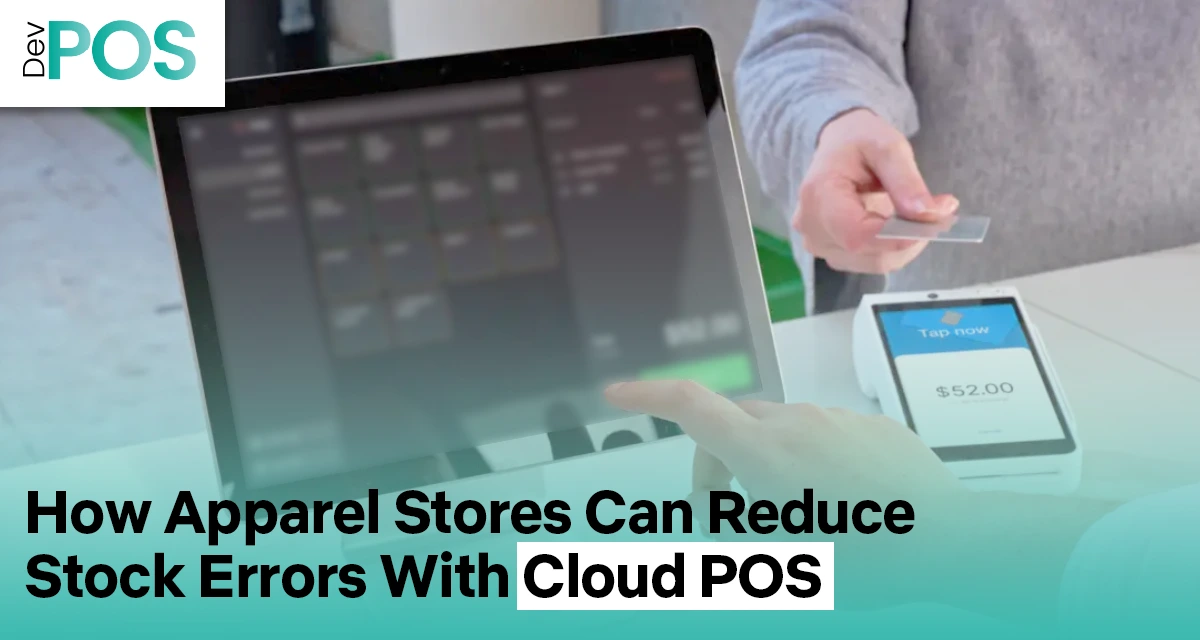
Accurate inventory management is a critical challenge for apparel stores, where a single product can have multiple sizes, colors, and styles. Mistakes in stock tracking can lead to lost sales, dissatisfied customers, and operational inefficiencies. Traditional inventory methods, manual counting or basic spreadsheets often fail to keep up with the complexity of modern retail, especially when multiple stores or online channels are involved. The rise of cloud-based solutions has offered a powerful alternative. Cloud POS technology centralizes inventory data, updates stock levels in real time, and provides actionable insights, allowing retailers to minimize errors while maintaining smooth operations. By adopting these systems, apparel stores can streamline workflows, improve staff efficiency, and enhance the shopping experience for their customers, ultimately boosting profitability and competitiveness.
Common Causes of Stock Errors in Apparel Retail
Inventory errors in clothing stores often arise from a combination of operational challenges and human mistakes. Understanding these root causes is the first step toward addressing the issue effectively.
- Manual tracking mistakes: Handwritten logs and spreadsheets are prone to errors during counting, recording, or transfers.
- High product variability: Each clothing item may have multiple sizes, colors, or fabric types, exponentially increasing complexity.
- Stock movement delays: Transfers between stores or restocking from warehouses can lead to temporary discrepancies.
- Limited visibility across channels: Without real-time data, online and offline sales can result in overselling or stockouts.
Addressing these issues requires a system that can provide automated, centralized, and accurate inventory management, reducing human error and operational friction.
How Cloud-Based Systems Improve Inventory Accuracy
Cloud POS solutions offer apparel retailers a modern approach to stock management by leveraging centralized, real-time data. These systems provide immediate visibility into inventory levels across all locations and sales channels.
Key functionalities include:
- Real-time updates: Every sale, return, or stock adjustment is reflected instantly across all platforms.
- Automated alerts: Low-stock or replenishment notifications prevent overselling.
- Detailed reporting: Insights into high-demand sizes or slow-moving items allow for informed purchasing.
- Variant management: Multiple product attributes such as color, size, and material are tracked accurately, eliminating confusion at checkout.
By automating these processes, staff spend less time manually reconciling stock, and managers can make data-driven decisions that reduce discrepancies and operational bottlenecks.
Integration With Other Retail Tools
Modern apparel stores rarely operate in isolation; integrating a cloud POS system with other business tools can amplify its impact. For example, linking it to accounting software or e-commerce platforms ensures accurate financial reporting and consistent stock levels across online and physical channels. One store reported a 30% reduction in stock errors after integrating its cloud POS with their warehouse management system, enabling smooth coordination between multiple locations.
Similarly, connecting to tax compliance tools like E Raseed Fbr ensures accurate reporting for regulatory requirements without additional manual work. Integration with analytics platforms also provides insights into sales trends, helping managers forecast demand more accurately and avoid overstocking or understocking issues.
Operational Benefits for Apparel Retailers
Beyond inventory accuracy, cloud POS solutions provide a range of operational advantages for apparel stores.
- Faster checkout: Staff can process transactions quickly with instant product lookup.
- Improved stock allocation: High-demand items can be redistributed across stores efficiently.
- Reduced human error: Automation minimizes mistakes in stock counts, pricing, and transfers.
- Enhanced customer experience: Customers find their desired sizes and colors in stock, building trust and loyalty.
For larger retail chains, these benefits are even more pronounced. Centralized visibility allows managers to track product performance across multiple branches and adjust ordering strategies dynamically.
Choosing the Right System
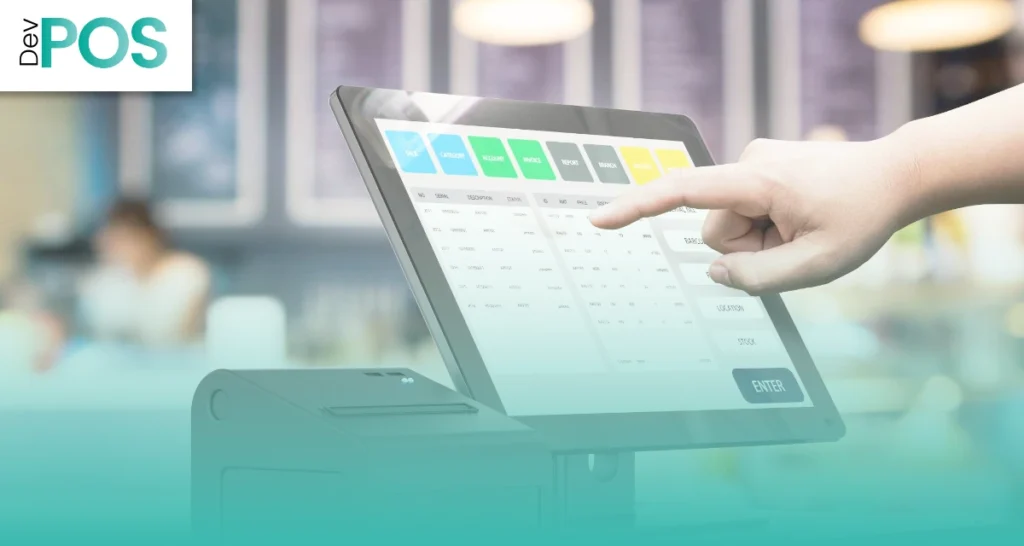
Selecting the appropriate cloud POS system is a critical decision for any apparel retailer, as it directly impacts inventory accuracy, operational efficiency, and customer satisfaction. With so many options available in the market, a careful evaluation of key factors is essential to ensure that the chosen solution meets both current needs and future growth plans.
- Scalability: One of the first considerations is whether the system can handle your current inventory volume and adapt as your business expands. Retailers should ensure that the software can accommodate additional product lines, store locations, and sales channels without slowing down or causing errors. A scalable system protects your investment and allows you to grow without needing a complete technology overhaul.
- Ease of use: Even the most powerful software is ineffective if employees struggle to use it. A system should be intuitive, with a clear interface that allows staff to process sales, manage inventory, and generate reports quickly. Minimal training time reduces downtime, speeds up adoption, and ensures that the system delivers immediate value across the store.
- Integration potential: A modern cloud POS system should seamlessly connect with accounting software, e-commerce platforms, and reporting tools. Integration ensures consistency of stock levels, accurate financial reporting, and a unified view of store operations. Compatibility with other business tools also allows managers to leverage analytics, promotional strategies, and cross-channel sales insights effectively.
- Support and updates: Reliable vendor support is essential for troubleshooting issues, implementing updates, and accessing new features. Regular software updates ensure the system remains secure, functional, and aligned with evolving retail trends.
Implementing a Cloud POS Solution
Successful adoption of a cloud-based system requires careful planning, strategic execution, and active engagement from staff. Simply installing the software is not enough; retailers must ensure that every team member understands how to use the system effectively and that workflows are aligned with the new technology. Proper implementation reduces errors, enhances efficiency, and ensures the system delivers its full value.
Key steps to a smooth implementation include:
- Conduct thorough training sessions: All employees, from sales associates to store managers, should participate in hands-on training. This ensures everyone understands how to process sales, track inventory, manage returns, and utilize reporting features. Providing detailed manuals or quick reference guides can further reinforce learning.
- Establish clear workflows: Define step-by-step procedures for receiving new stock, transferring products between stores, and processing sales. Standardized workflows minimize confusion, prevent mistakes, and maintain consistency across all locations.
- Roll out gradually: Begin with high-traffic stores or high-volume products to test the system under real-world conditions. Gradual implementation allows staff to adapt and provides an opportunity to identify and resolve issues before full-scale deployment.
- Monitor performance: Continuously track how the system is being used, identify bottlenecks, and gather feedback from staff. Promptly addressing issues ensures smooth operations and builds confidence in the technology.
By investing in both technology and comprehensive training, apparel stores can maximize inventory accuracy, improve operational efficiency, and provide a seamless customer experience. A well-implemented cloud POS solution not only reduces stock errors but also empowers teams to work smarter, making it an essential tool for modern retail success.
Future Outlook
Cloud POS solutions continue to evolve, with emerging features that further reduce stock errors and improve retail operations:
- AI-driven analytics: Predictive insights help identify fast-moving items and optimize stock replenishment.
- Mobile device integration: Staff can manage inventory, check availability, and process transactions anywhere in the store.
- Omnichannel support: Unified management across online, in-store, and marketplace sales prevents overselling.
- Enhanced reporting dashboards: Managers receive visual insights to make rapid, informed decisions.
Retailers embracing these innovations are better positioned to minimize errors, optimize operations, and deliver exceptional customer experiences in a competitive market.
FAQs
1. How can apparel stores minimize stock errors?
By implementing automated systems and real-time monitoring, stores reduce human mistakes and improve accuracy.
2. What common factors cause inventory discrepancies?
High product variability, delayed stock transfers, and manual tracking are primary contributors.
3. How can retailers improve operational efficiency?
Streamlined workflows, centralized inventory control, and staff training help optimize daily operations.
4. Why is accurate reporting important?
Reliable data informs procurement, sales strategies, and operational decisions, preventing overstocking or shortages.
5. How can stores enhance the customer experience?
Ensuring correct stock availability, faster checkout, and well-organized displays increases satisfaction and loyalty.
Conclusion
Inventory accuracy is vital for apparel retailers facing the challenges of multiple sizes, colors, and product variants. Cloud POS technology provides a centralized, real-time system that drastically reduces errors, improves operational efficiency, and enhances customer satisfaction. By integrating with accounting, e-commerce, and analytics tools, retailers gain a holistic view of their inventory, enabling better purchasing decisions and minimizing stock discrepancies. Proper staff training and strategic implementation ensure these systems deliver maximum value. Looking ahead, advanced features such as AI analytics, mobile integration, and omnichannel support will further strengthen retail operations. Investing in cloud-based solutions is not just a technological upgrade—it is a strategic approach that drives efficiency, reduces errors, and positions apparel stores for sustained growth in a competitive marketplace.