

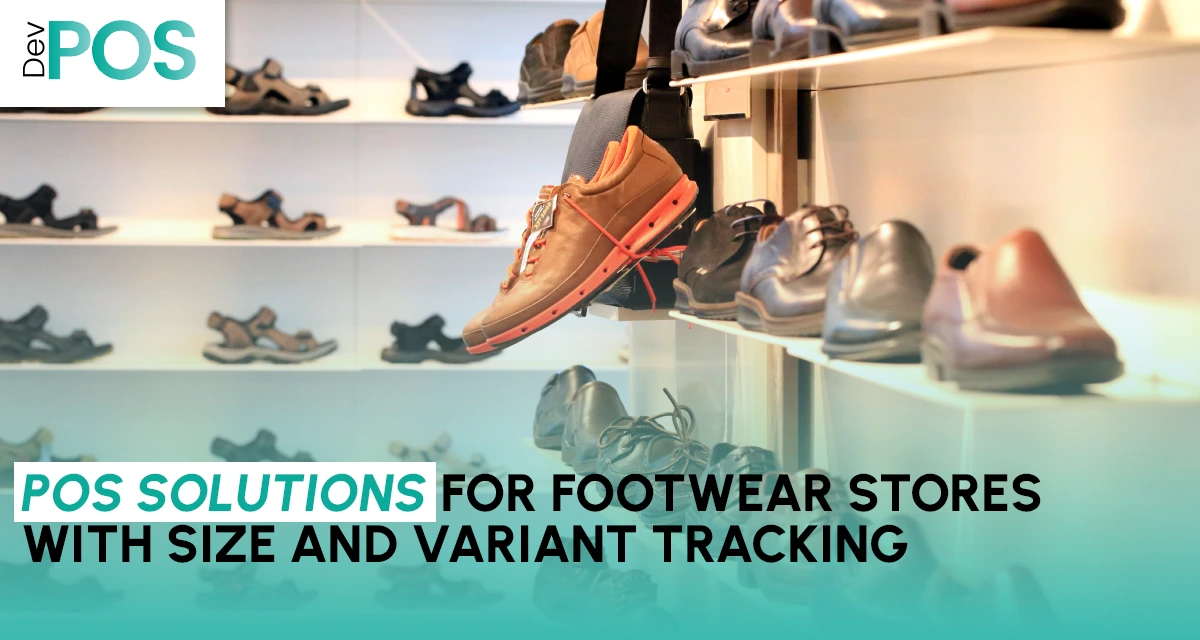
Running a footwear store today requires more than just maintaining a diverse inventory and serving customers efficiently. The modern retail environment is highly competitive, with customers expecting accurate product availability, seamless transactions, and a personalized shopping experience. Footwear stores, in particular, face the added complexity of managing numerous product variants, including sizes, colors, and styles. Without effective management, retailers can experience stockouts, overstocks, and lost sales opportunities.
This is where POS solutions play a critical role. By automating inventory tracking, managing multiple variants, and providing real-time data insights, these systems not only streamline operations but also empower retailers to make informed decisions. For footwear stores, implementing a solution that tracks size and variant details is no longer optional, it is essential for maintaining efficiency, improving customer satisfaction, and boosting overall profitability.
Understanding the Challenges of Footwear Retail
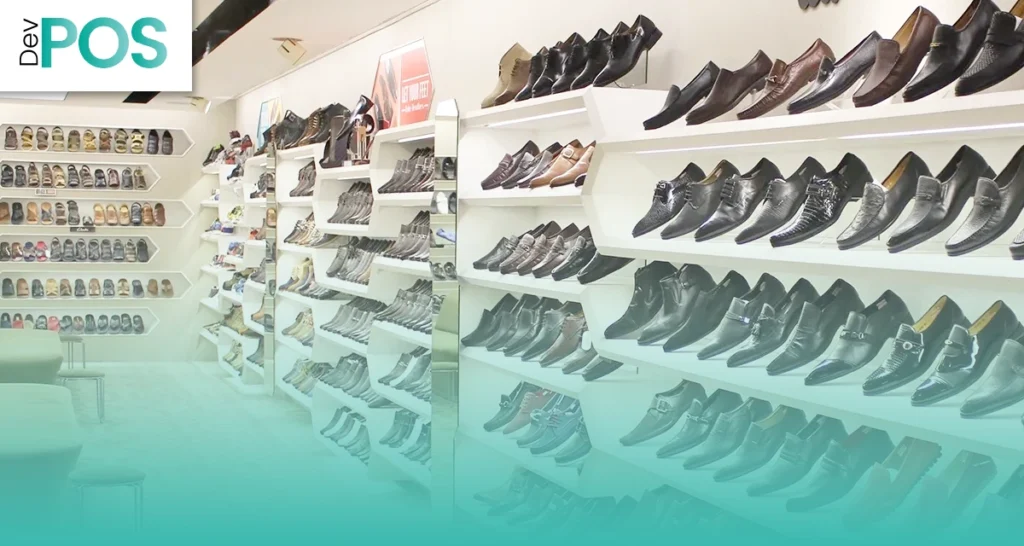
Footwear retail presents unique operational hurdles that are rarely encountered in other retail sectors. Each product comes in multiple sizes and colors, creating a web of variants that must be accurately tracked. Without automation, managing this complexity manually becomes highly prone to errors.
Common challenges include:
- Inventory mismanagement: Inaccurate stock levels lead to overstock of unpopular sizes and shortages of high-demand ones.
- Time-intensive operations: Staff spend excessive time locating specific variants, slowing down service.
- Lack of data-driven insights: Limited visibility into sales trends hinders strategic purchasing decisions.
- Pricing inconsistencies: Promotions and discounts across different sizes or variants can lead to confusion and lost revenue.
Footwear stores that fail to address these issues risk frustrating customers and losing market share to competitors who adopt advanced technology solutions.
Key Features of Modern POS Systems for Footwear Stores
POS solutions today go far beyond simple sales transactions. They provide a robust framework for managing footwear stores efficiently, particularly when it comes to handling size and variant complexities.
Critical features include:
- Variant tracking: Each product is monitored across sizes and colors to prevent stock errors.
- Real-time inventory updates: Sales and restocks are reflected instantly, reducing discrepancies.
- Detailed reporting and analytics: Understanding which sizes or styles sell best informs smarter purchasing decisions.
- Multi-location inventory management: Stores with several branches can synchronize stock across all locations seamlessly.
- Integration with other platforms: Systems can link with accounting software, e-commerce sites, and loyalty programs for end-to-end management.
By implementing these capabilities, footwear retailers can ensure a smoother operational workflow, saving time and reducing manual errors across the board.
Benefits of Size and Variant Tracking in Footwear Retail
Accurate size and variant tracking significantly enhances both efficiency and profitability for footwear stores. Retailers experience tangible improvements in operations, customer satisfaction, and revenue growth.
Key advantages include:
- Reduced stockouts and overstocks: Accurate counts for each size and color minimize lost sales or excess inventory.
- Faster sales processing: Staff can locate products quickly at checkout, improving service speed.
- Enhanced customer experience: Shoppers easily find their desired size and color, fostering loyalty.
- Data-driven purchasing: Historical sales patterns guide inventory procurement, reducing waste and optimizing stock.
For example, a store carrying 300 shoe models with six size variants each can face over 1,800 product SKUs. Manual tracking is nearly impossible without errors. POS solutions consolidate these variants, providing precise, real-time data to ensure no sales opportunity is missed.
Leveraging Technology for Operational Excellence
Integrating POS solutions with other systems allows footwear retailers to achieve higher operational efficiency. By connecting point-of-sale systems to online sales channels, loyalty programs, and tax compliance software, retailers maintain consistency and accuracy across all platforms.
Additional benefits include:
- Automated reorder notifications: The system alerts managers when stock reaches predefined thresholds.
- Low-stock alerts: Staff are notified before items run out, preventing missed sales.
- AI-driven insights: Advanced analytics can identify slow-moving variants and suggest promotions to boost turnover.
- Workflow optimization: Reduces manual interventions, freeing staff to focus on customer engagement and in-store experience.
By embracing these technological enhancements, retailers can make operations more predictable, efficient, and responsive to customer needs.
Real-World Applications and Case Studies
Many footwear stores, from small boutiques to large chains, have successfully leveraged POS solutions to improve performance.
- Boutiques: Faster checkout and easier product location reduce staff stress and improve customer satisfaction.
- Large retail chains: Centralized reporting allows managers to track trends across multiple locations.
- E-commerce integrated stores: Real-time stock synchronization prevents overselling and improves online customer trust.
For instance, a mid-sized chain with four branches implemented a POS system with size and variant tracking. Within six months, out-of-stock occurrences dropped by 40%, sales efficiency improved, and targeted promotions helped increase revenue. This demonstrates that data-driven technology adoption directly translates into operational and financial benefits.
Choosing the Right System for Your Store
Selecting an appropriate POS solution is critical to achieving maximum value. Retailers should evaluate:
- Scalability: The system must support current inventory and anticipated growth.
- Ease of use: Staff should adopt the system quickly with minimal training.
- Integration capabilities: Compatibility with accounting, e-commerce, and reporting software ensures seamless operations.
- Cost-effectiveness: Consider licensing fees, hardware costs, and ongoing support expenses.
Trying a demo version of the software is highly recommended. This allows store managers to understand how features like variant tracking, reporting dashboards, and multi-location inventory management will work in real-world scenarios.
Training and Implementation
A well-selected POS system is only as effective as its users. Comprehensive staff training ensures smooth implementation and high adoption rates:
- Conduct hands-on training sessions across departments.
- Create detailed user guides focused on size and variant workflows.
- Gradually roll out the system, starting with high-demand products.
- Monitor performance and address operational challenges proactively.
Proper training empowers employees to use the system efficiently, reduces errors, and enhances the overall customer experience.
Future Trends in Footwear POS Systems
As retail technology continues to evolve at an unprecedented pace, footwear stores must adapt to stay competitive and meet the rising expectations of consumers. The traditional cash register or basic software is no longer sufficient for modern retail operations. Today’s customers demand speed, accuracy, and personalized experiences, while store managers need actionable insights and real-time visibility across multiple channels. To meet these requirements, footwear retailers are increasingly turning to advanced POS solutions that incorporate innovative features and emerging technologies. By understanding and adopting these trends, stores can not only improve operational efficiency but also enhance customer satisfaction and drive revenue growth.
AI-Powered Analytics
Artificial intelligence (AI) is transforming retail decision-making. POS systems equipped with AI analytics can predict demand patterns, identify emerging trends, and recommend promotional strategies. For example, a system may detect that a particular sneaker style in size 9 sells faster during weekends and suggest preemptive stock replenishment or targeted promotions. AI-driven insights also help managers anticipate slow-moving sizes or colors, allowing them to plan discounts or marketing campaigns proactively. This predictive capability reduces inventory waste, prevents stockouts, and ensures that stores are always stocked with the right products at the right time.
Mobile POS Devices
Mobility is another key trend shaping the footwear retail industry. Mobile POS devices allow sales associates to assist customers anywhere in-store, rather than being confined to a traditional checkout counter. For instance, an employee can check stock availability, process payments, or apply discounts directly on the sales floor. This not only speeds up transactions but also enhances the customer experience by making shopping more convenient. Mobile POS devices also enable staff to handle busy periods more efficiently, reducing long queues and improving overall service quality. In addition, they can be integrated with loyalty programs, allowing customers to earn points or receive personalized offers during their in-store visit.
Omnichannel Inventory Management
Modern footwear retailers increasingly operate across multiple channels, including brick-and-mortar stores, e-commerce platforms, and third-party marketplaces. Omnichannel inventory management ensures that stock is tracked and synchronized across all these platforms in real-time. This means a size 10 running shoe sold online will immediately update the store’s inventory, preventing overselling or double-booking. Such unified visibility allows managers to make smarter purchasing and allocation decisions, ensuring that high-demand products are available where they are needed most. Omnichannel management also supports “buy online, pick up in-store” services, further enhancing the shopping experience and increasing foot traffic in physical locations.
Advanced Reporting Dashboards
Advanced reporting dashboards transform raw sales and inventory data into actionable insights. These dashboards provide visual analytics that are easy to interpret, highlighting trends, sales performance, and operational inefficiencies at a glance. Managers can track which products, sizes, or styles are performing well, identify seasonal trends, and monitor employee performance. Some systems also offer customizable alerts, notifying managers about low-stock items, high return rates, or slow-moving variants. By providing clear, real-time information, these dashboards enable faster decision-making, better resource allocation, and more effective strategic planning.
FAQs
1. How can retailers prevent inventory errors?
Automated tracking and regular audits reduce mistakes. Digital systems provide real-time visibility for accurate stock management.
2. What challenges do footwear stores face compared to general retail?
Managing multiple sizes, colors, and styles across many SKUs increases operational complexity.
3. How can small footwear stores compete with larger chains?
Streamlining operations, optimizing stock, and enhancing customer service allows smaller retailers to remain competitive.
4. Why is reporting important for retail efficiency?
Analyzing sales trends and stock levels supports informed purchasing and operational decisions.
5. How can stores improve customer satisfaction?
Ensure accurate availability, faster checkout, and personalized service to create a seamless shopping experience.
Conclusion
In today’s competitive footwear retail market, precise management of sizes and product variants is crucial. Investing in advanced POS solutions allows stores to streamline operations, improve stock accuracy, and enhance the customer experience. These systems provide real-time inventory updates, automate variant tracking, and generate actionable insights for smarter purchasing decisions. By integrating POS solutions with other platforms, retailers can reduce manual errors, prevent stockouts, and better respond to consumer demands. Proper staff training ensures the system’s full potential is realized, while forward-looking technologies like AI analytics and mobile POS devices further strengthen efficiency and service quality. Ultimately, adopting comprehensive POS solutions is not just a technological upgrade, it is a strategic move that drives operational excellence, maximizes revenue, and positions footwear stores for sustainable long-term success in an ever-evolving retail landscape.